How El Paso's monsoon works against roofs
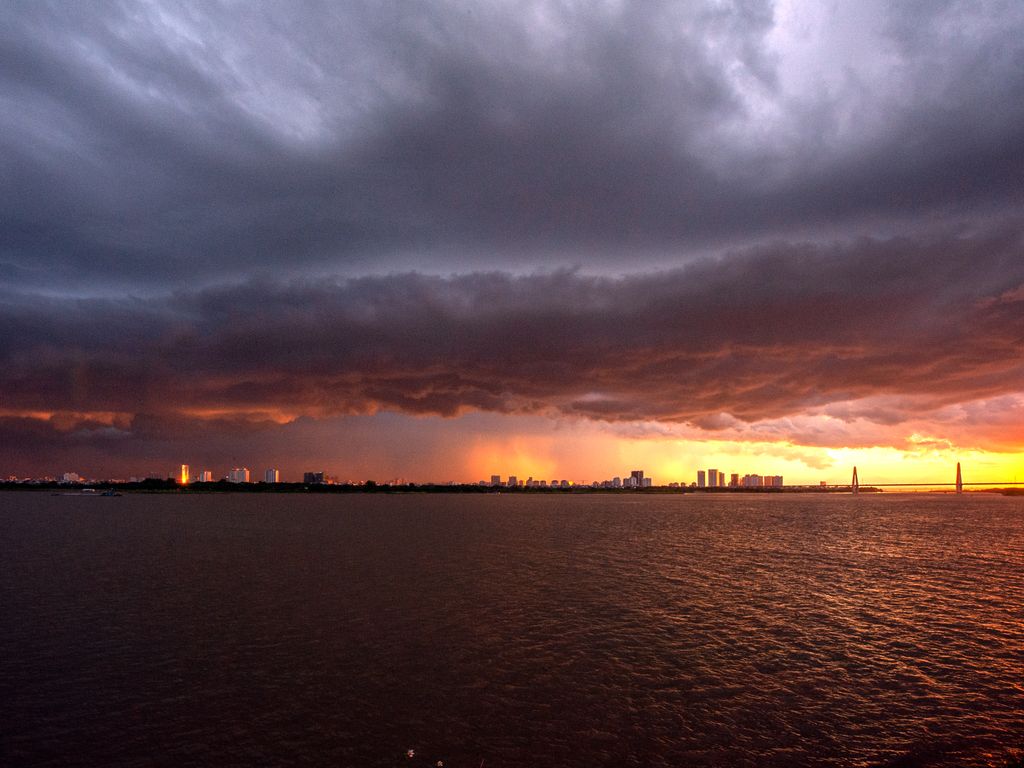
El Paso's monsoon season runs roughly from late June through September, and it does its damage in concentrated bursts rather than steady rain. Moisture surging up from Mexico collides with the heat of the desert floor and lifts against the Franklin Mountains, dropping fast-moving cells of heavy rain, wind, and hail with very little warning.
These storms are short — often under an hour — but the wind-driven rain they produce hits a roof sideways and finds every weak seam, cracked sealant, and lifted shingle edge that a calmer rain would never reach. The roof that held all winter can suddenly start leaking in July.
Hail damage that does not show up right away
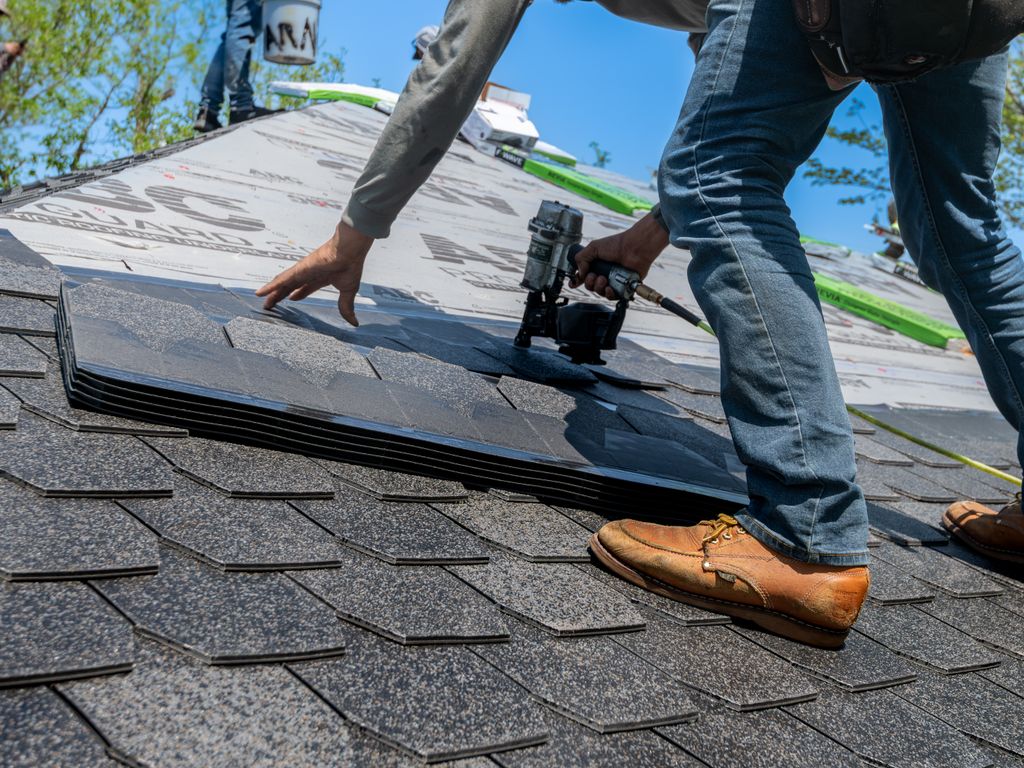
Hail does not have to punch a hole through a shingle to destroy it. Even marble-sized hail that leaves no visible puncture can bruise the fiberglass mat underneath the granule layer. The bruise weakens the shingle structurally, and the granules over the impact point loosen and wash away over the following months.
This is why homeowners are often confused by a leak that appears in October or November from a storm they remember in July. The damage was done months earlier; the leak simply waited until enough granules had shed to expose the mat to water.
A trained inspector presses the shingle surface to feel for soft, bruised spots that a visual check from the driveway will miss. Documenting these impacts with close-up photographs is also what makes an insurance claim succeed.
A pre-monsoon checklist
Have the roof inspected in May or early June, before the first cells arrive. The goal is to find the lifted flashing, failed pipe boot seals, and cracked tile that a monsoon will exploit.
Clear gutters and scupper boxes of the dust and debris that accumulate over the dry spring. A blocked drain on a flat roof turns a normal rain into a ponding event, and ponding weight is one of the leading causes of flat roof collapse in the Southwest.
Check the sealant around skylights, swamp cooler curbs, and vent penetrations. UV breaks these seals down every summer, and re-sealing them is cheap insurance before the rainy season.
Trim back tree branches that overhang the roof. Monsoon winds snap desert limbs, and a fallen branch can crack tile or puncture a membrane instantly.
If hail does hit
Get an inspection within days of the storm, not weeks. The bruising is easier to document while the impact pattern is still fresh, and most insurance policies require prompt notice of a claim.
Do not let a contractor pressure you into signing a contract on the spot the day after a storm. A legitimate scope of damage takes time to document properly, and rushed agreements often overpromise or underdeliver.
Have any tarping done professionally. A homeowner-thrown tarp that is not secured correctly can scratch the shingles beneath it and create the very damage it was meant to prevent.
Need a roofer to look at your El Paso home? Get a free quote today.