Why tile roofs are so common in El Paso
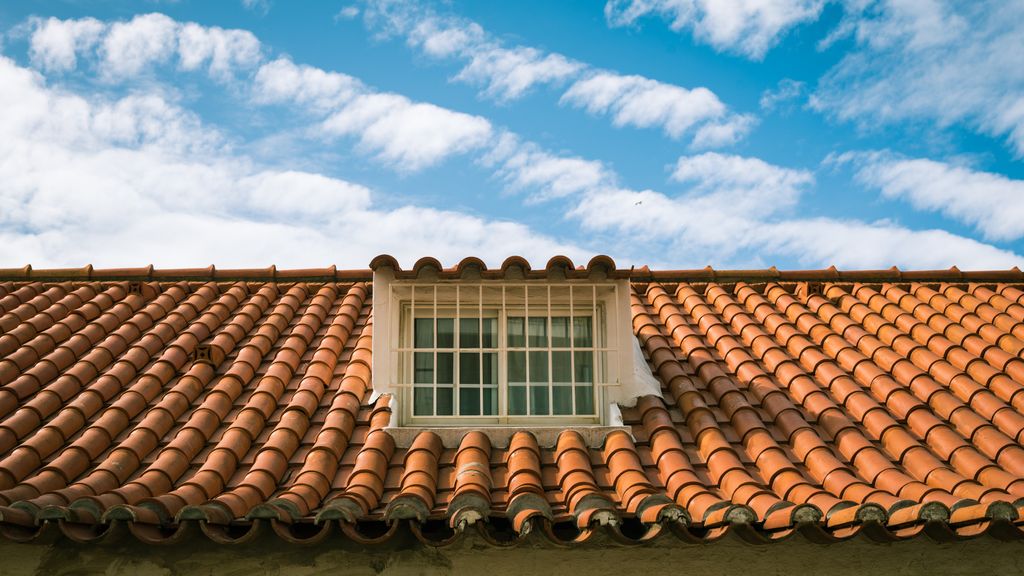
Walk through Kern Place, Mission Hills, or the older sections of the West Side and the dominant roofline is clay or concrete tile. Tile suits the desert well: it sheds the intense sun, holds up to monsoon hail better than asphalt, and its weight helps it resist the high winds that funnel through the Rio Grande valley.
But tile is not maintenance-free, and one of the most common mistakes homeowners make is assuming that because the tiles look intact from the street, the roof underneath is fine. The tiles are the visible armor; the waterproof layer is the underlayment beneath them, and the underlayment has a shorter life than the tiles.
How tile roofs actually fail in the desert
Underlayment is the real roof. The felt or synthetic membrane beneath the tiles is what stops water, and in the desert sun it dries out and cracks in roughly 20 to 30 years — long before the tiles themselves wear out. A tile roof that is 25 years old often needs its underlayment replaced even though every tile is still in good condition.
Foot traffic cracks tiles. Tiles are structural, not walkways. HVAC technicians, painters, and even well-meaning homeowners walking across a tile roof routinely crack tiles, and a cracked tile funnels water directly onto the underlayment below — exactly where the next failure will happen.
Salt and dust collect in the gaps between tiles, holding moisture against the tile edges after rare rains and slowly degrading them. Desert wind also lifts the leading edges of tiles over time, breaking the interlock that channels water downhill.
Maintenance that actually extends tile roof life
Have the underlayment inspected once the roof passes 20 years. The tiles can be carefully removed, the underlayment replaced, and the same tiles reinstalled — a fraction of the cost of a full tile replacement and the single highest-value maintenance a tile roof owner can do.
Replace cracked and slipped tiles promptly. A single broken tile exposes the underlayment to concentrated water and UV, which accelerates the failure of the membrane in that exact spot. Matching replacement tile is easier while the original profile is still manufactured, so do not defer broken-tile repairs for years.
Keep foot traffic off the roof entirely. Any work that requires roof access should be done by someone trained to walk tile — weight distributed on the lower third of each tile, never on the lap lines or the raised center channel.
Clear the valleys where tile courses meet. Mesquite pods and dust build up there and dam water sideways under the tiles instead of letting it run off the eave.
Repair versus full underlayment replacement
If fewer than roughly 10 percent of the tiles are cracked or slipped and the roof is under 20 years old, individual tile and flashing repairs are usually sufficient.
If the roof is past 20 years, has widespread cracked underlayment visible at the eaves, or has a history of multiple leaks in different locations, a full underlayment replacement is the correct fix. Re-coating or patching the membrane at that point only postpones an inevitable and more expensive failure.
Need a roofer to look at your El Paso home? Get a free quote today.